
The Arles Drawing Festival helps showcase a medium that is somewhat overlooked in spite of its great value, the depth of its forms and its potential to help us explore the work of artists we might not have expected to encounter in this creative space. Sponsoring the 4th edition of the event, the Maison Taittinger is proud to help put this discipline in the spotlight.
In the vibrant landscape of the visual arts, drawing has become something of a distant relative, deserving of more attention than it tends to get. Drawing is not the most exhibited art form; for a time, it was even dropped from the curriculum of many art schools. When it was included, it was as a form of “art practice”, rather than as a medium of artistic expression in its own right. It is a less-valued form, confined to heritage exhibitions in museums. Yet drawing is in many ways the missing link between different worlds, from painting to comic books. Frédéric Pajak has taken on the mission of making sketches and specific creations visible in the contemporary art world; a cartoonist himself, and also a writer and editor of Cahiers dessinés, Pajak took the opportunity to set up a new festival after moving to Arles a few years ago. Already France’s undisputed capital of photography, Arles is becoming the city of drawing as it hosts the fourth edition of the festival for the next month. Forty exhibitions will be on offer across various venues in the city centre, including historic buildings where both recent and past productions have special resonance.
Frédéric Pajak is artistic director of the Festival du Dessin, which is chaired by Vera Michalski, his partner from Cahiers Dessinés. The Arles festival is a project made is his own image: free, open and eclectic. It’s not about defending “any one type or school of drawing” – rather, he offers an exceptional panorama of what drawing can produce, starting with a simple criteria: emotion.
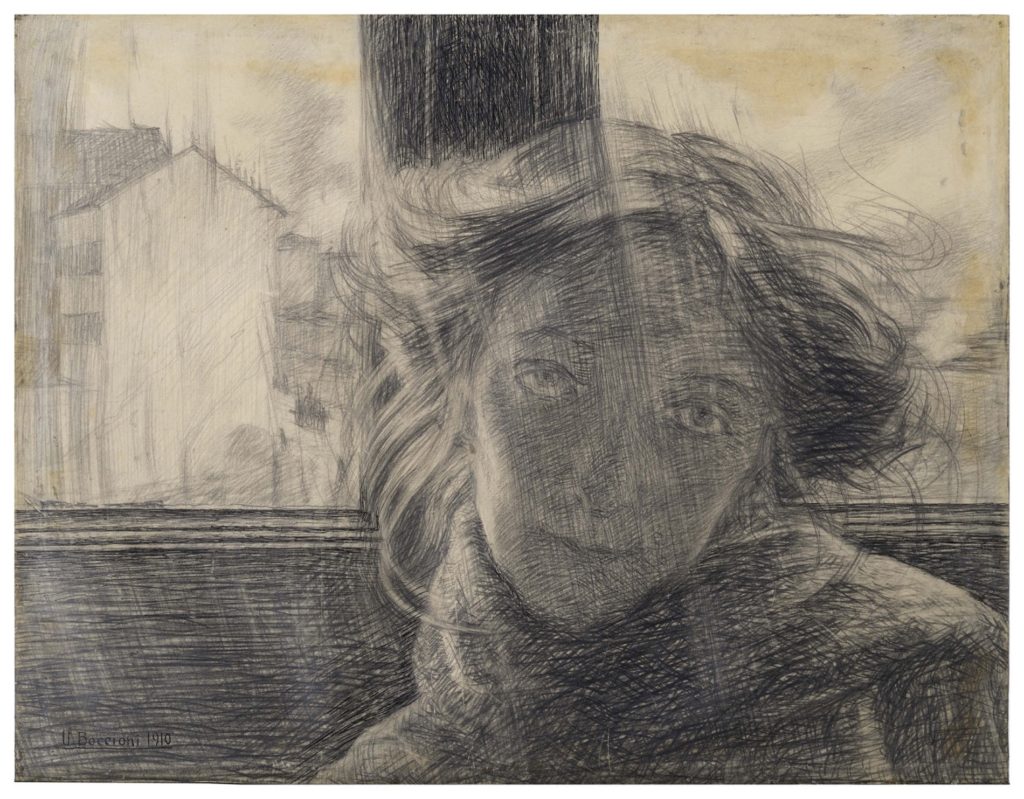
Showing a formidable eye for great work, Pajak has already achieved acclaim for the festival’s first edition by exhibiting the drawings of Victor Hugo, with the support of the Bibliothèque Nationale de France. Although his landscapes were well known, many people were unaware of the “heads” the author liked to draw. This is one of the unique aspects of the Festival du Dessin: presenting works that might have been forgotten, or whose creator might come as a surprise. For this fourth edition, the Museon Arlaten is giving pride of place to Italian drawings with the “Viva l’Italia” exhibition.
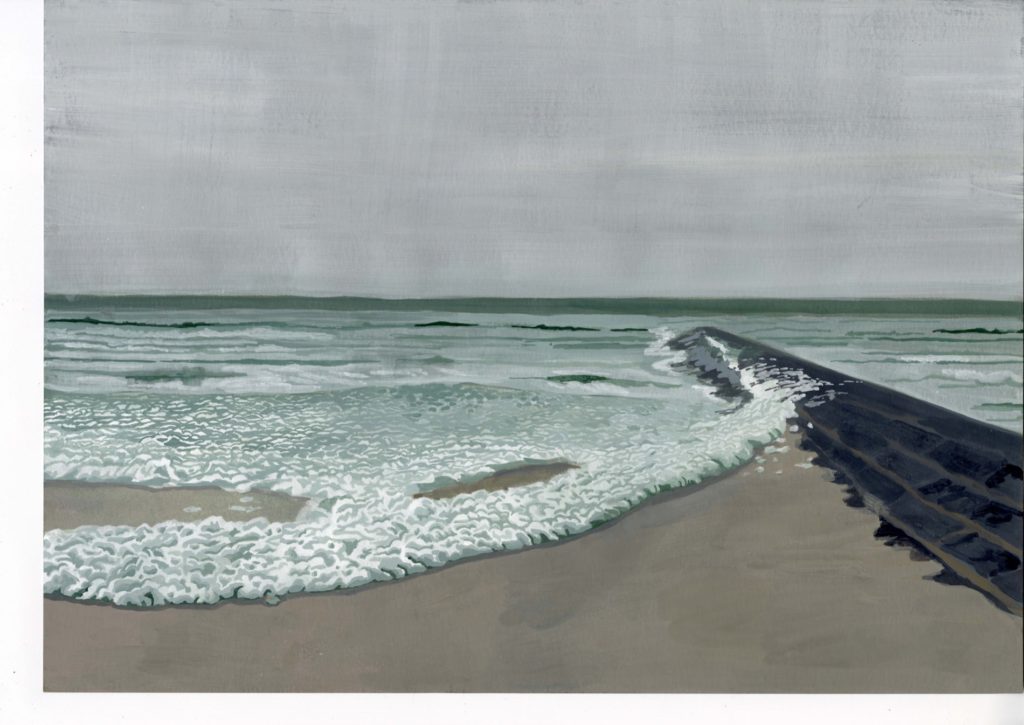
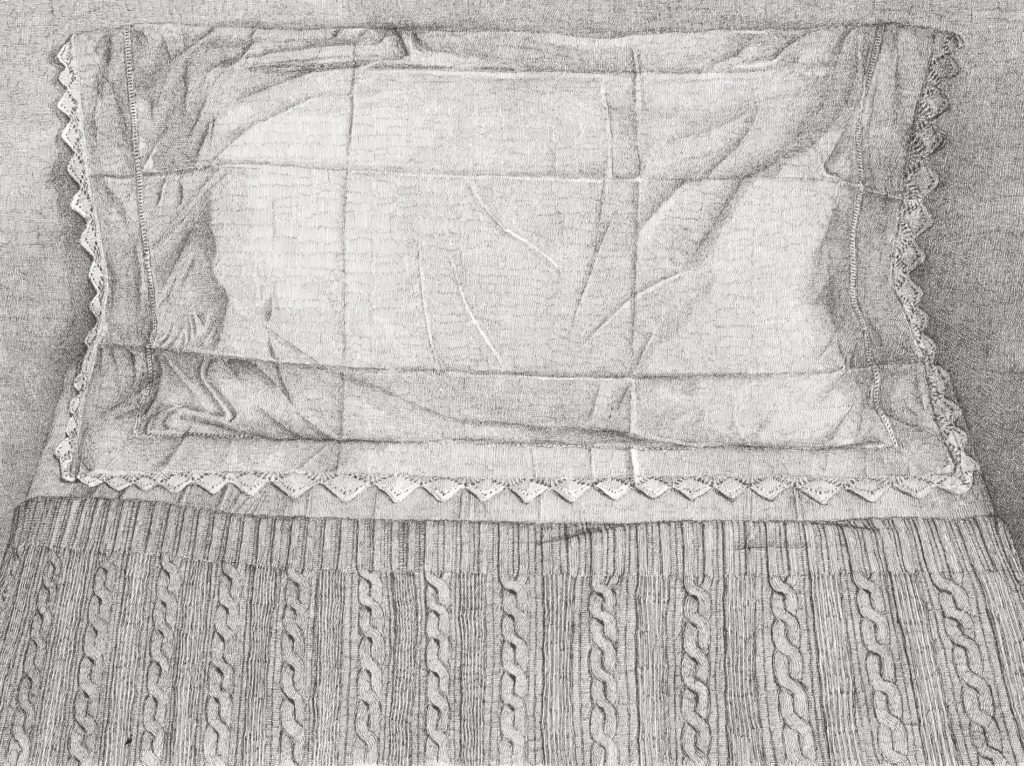
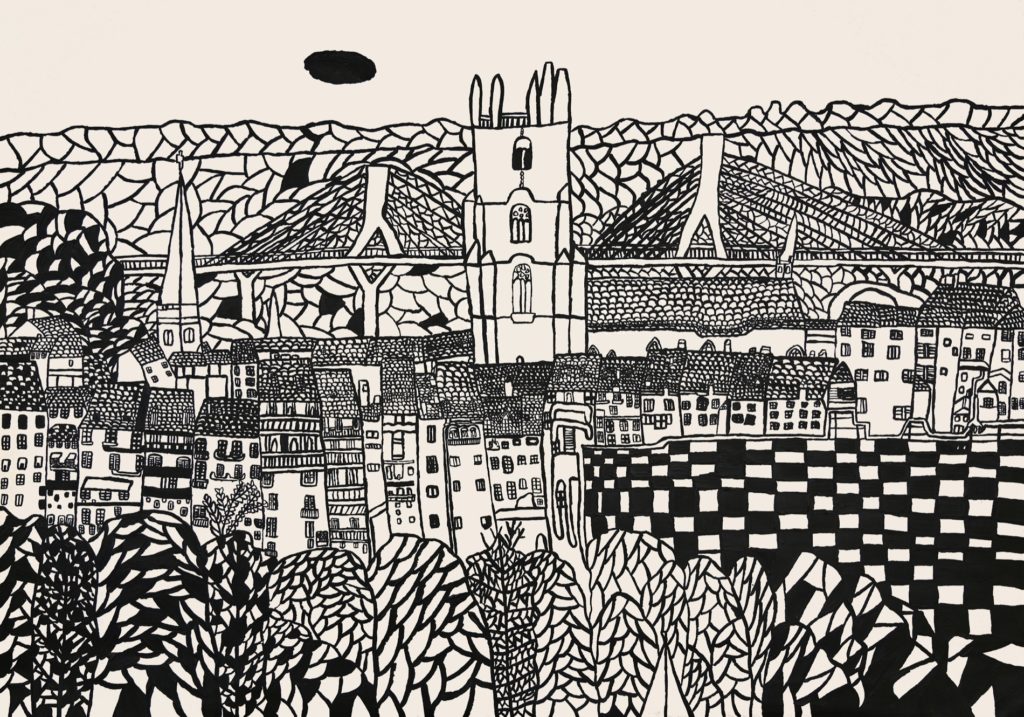
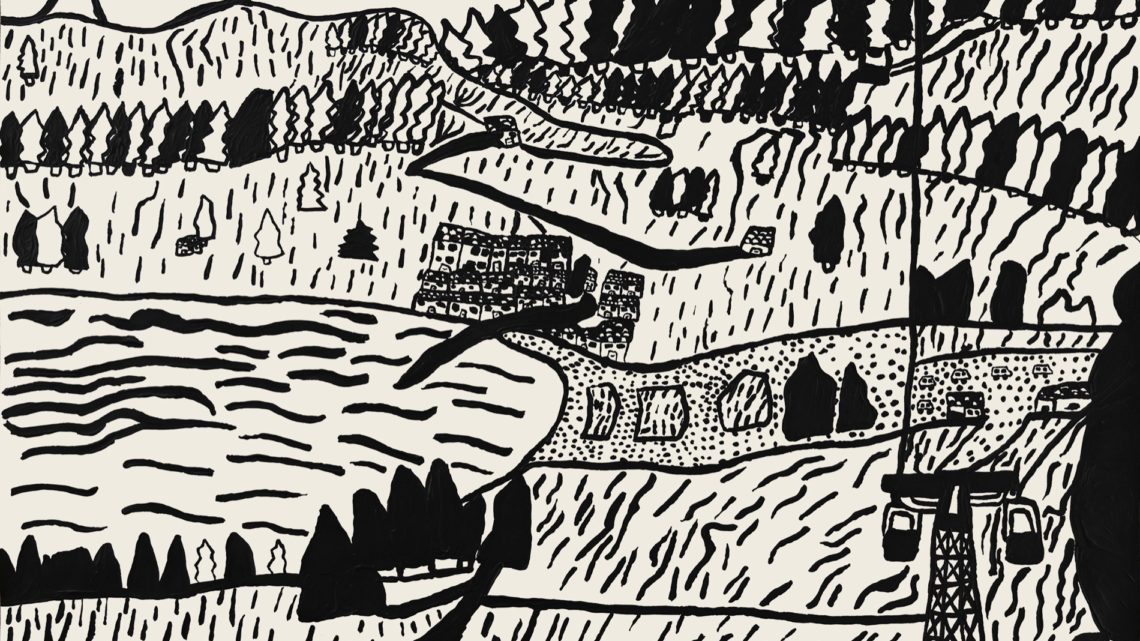
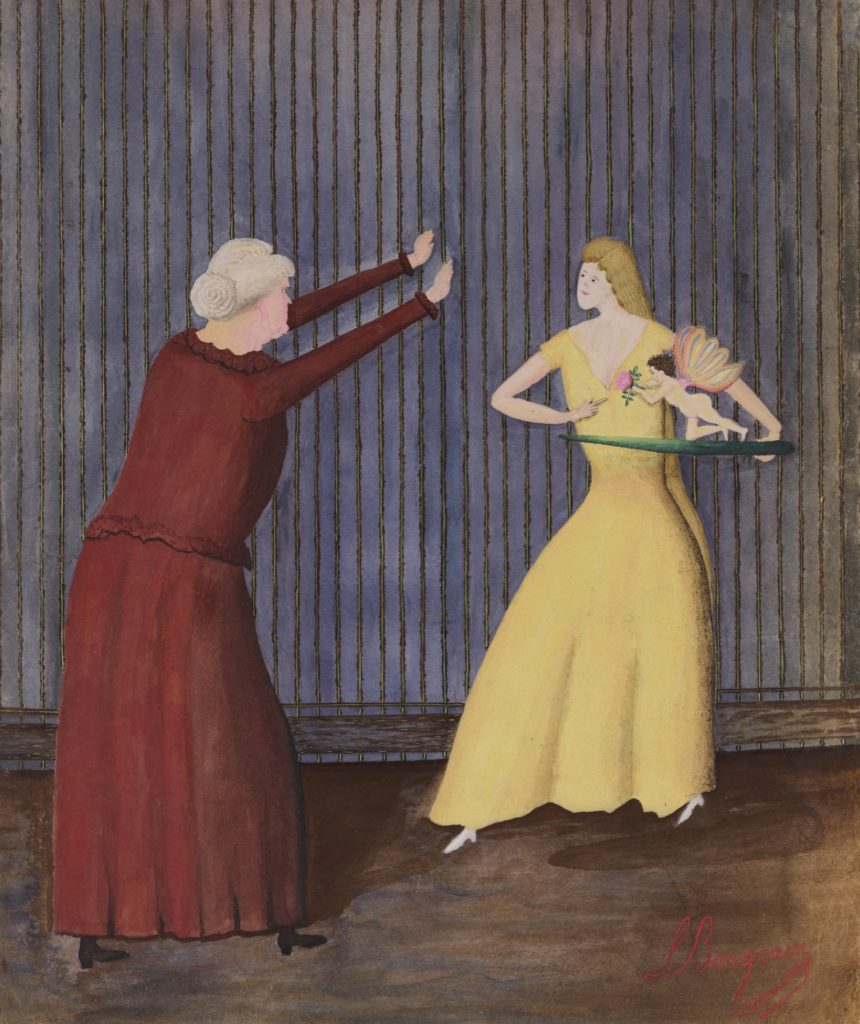
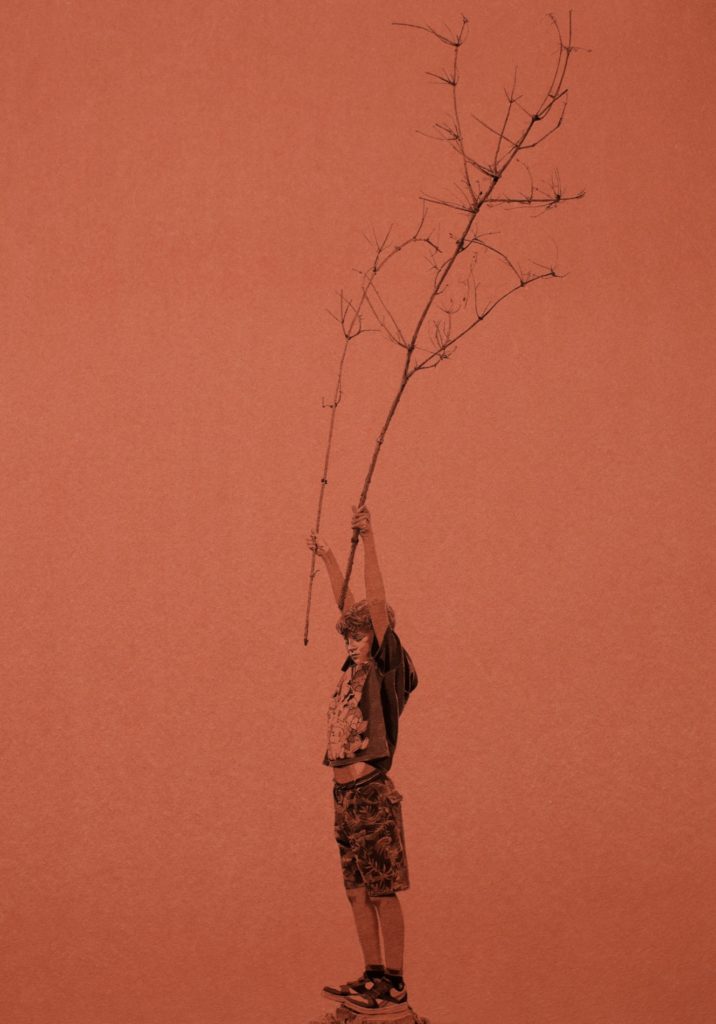
1. Dominique Goblet, Ostende, 17/05/2020, Gouache, Collection de l’artiste, Courtesy Galerie Martel, Paris / 2. Chiara Gaggiotti, L’oreiller, 2024, Courtesy Galerie Mercier / 3. Christelle Roulin, Fribourg, 2024, Acryl sur papier, Collection CREAHM
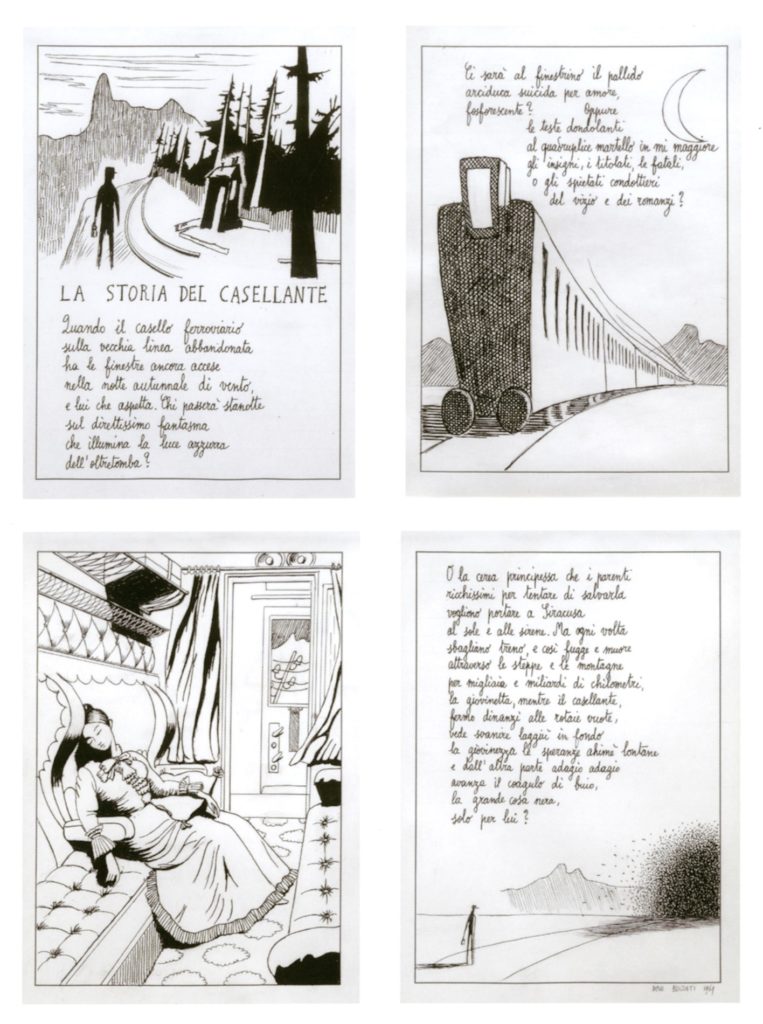
Twentieth-century Italian art is little-known outside Italy; it has rarely been exported, and this ‘terra incognita’ is full of surprises. With some surprise, we discover early works and unpublished portraits by Pier-Paolo Pasolini, carnal (and sometimes erotic) drawings by Federico Fellini, and the very personal studies of Dino Buzzati. These towering literary figures are joined in Arles by artists such as Philippe Katerine, chosen by Frédéric Pajak “to reach out to a younger audience, rather than remaining within a hermetic circle”, and Éric Cantona, honorary president of this 4th edition of the Festival du Dessin. For years, the football star of the 1990s has been recording his thoughts on small notebooks, in words and drawings.
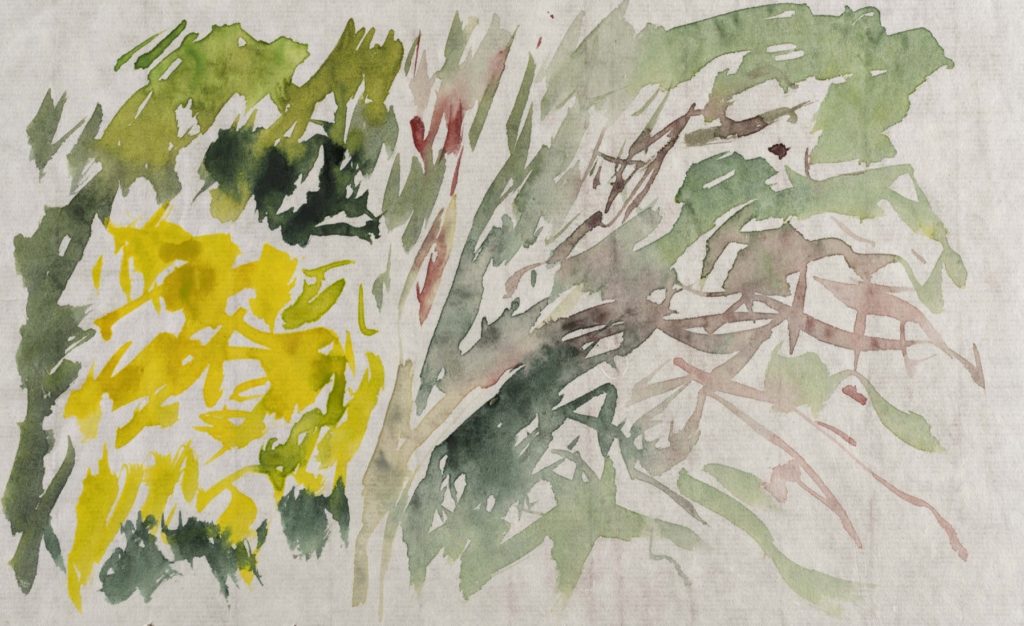
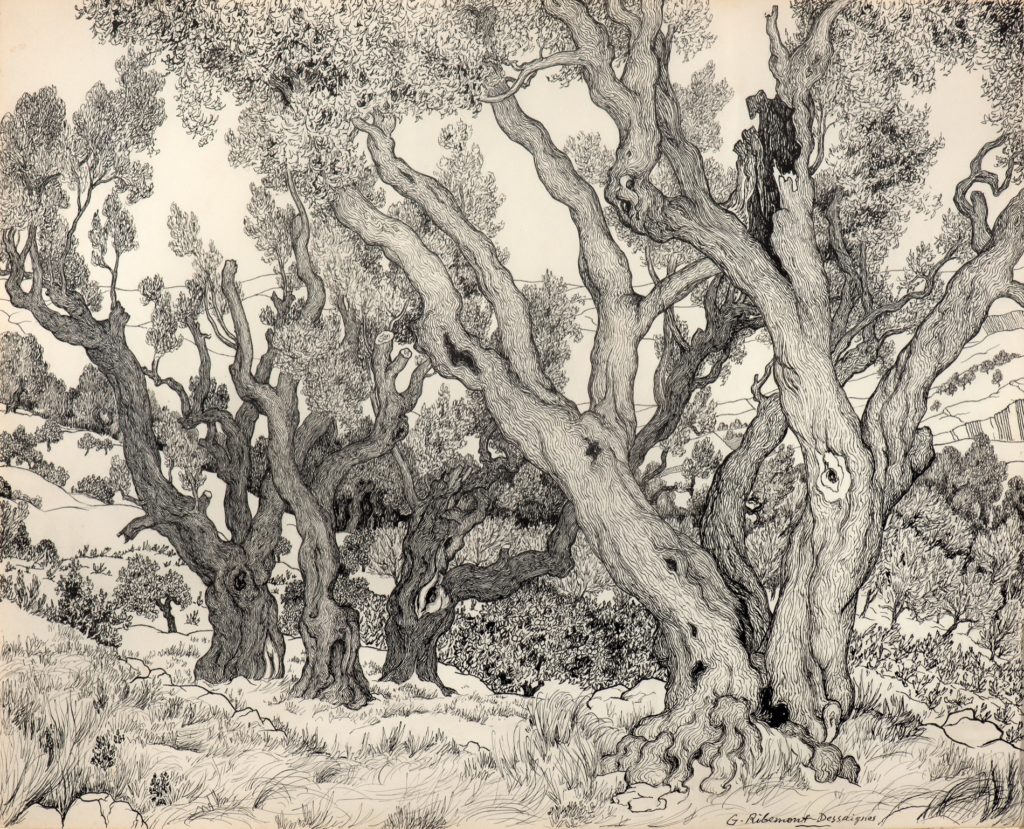
Visitors to Arles can explore drawing in all its facets, by visiting the forty or so exhibitions on show and by witnessing new creation at a mobile drawing workshop, a drawing concert, live creative and writing sessions, and film screenings at the Actes Sud – Le Méjan cinema.

Frédéric Pajak proudly expresses subjectivity in his choices. He shows us the things that he himself has enjoyed discovering. By reaching as many people as possible, he aims to make these works accessible to everyone. Visitors should not be phased by contemporary art, and the Festival du Dessin is intended to be an accessible event, yet one that also challenges. Over the years, great names in drawing (Sempé, Tomi Ungerer, Jean-Michel Folon and others) have been joined by contemporary artists, and the latest edition of the event is constantly surprising visitors with its forays into literature and cinema. It proves that drawing is an art form not to be overlooked: it is often the first type of art people encounter, even before painting or sculpting. Whether you want to devote your life to it or make it a hobby, it remains the best gateway to the world of contemporary creation.


