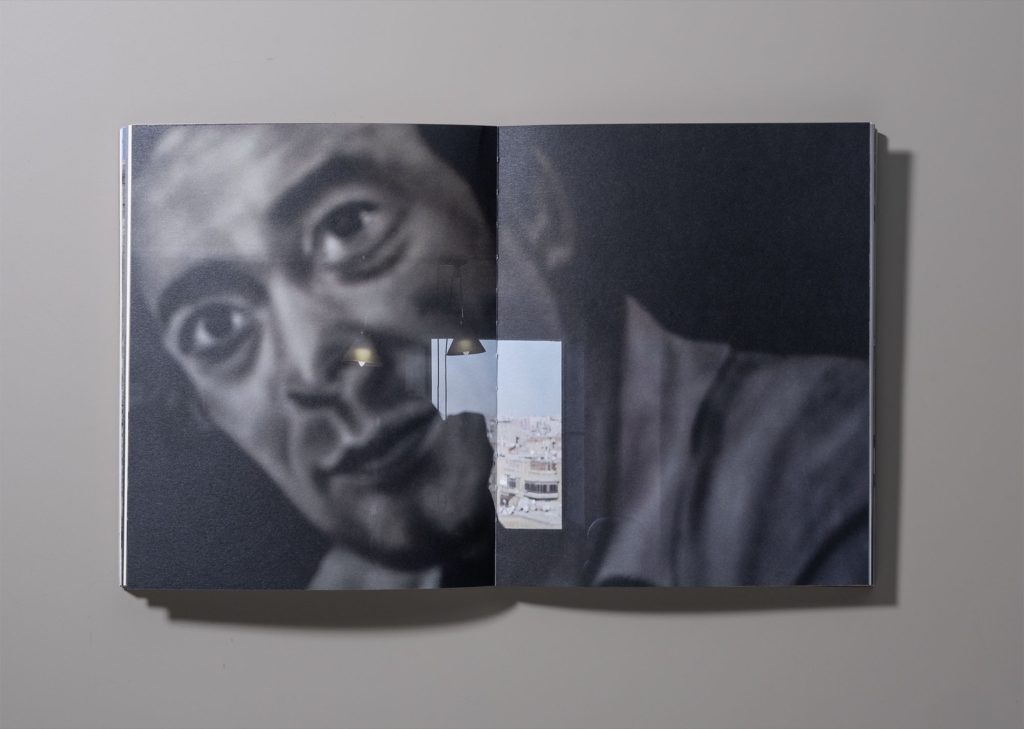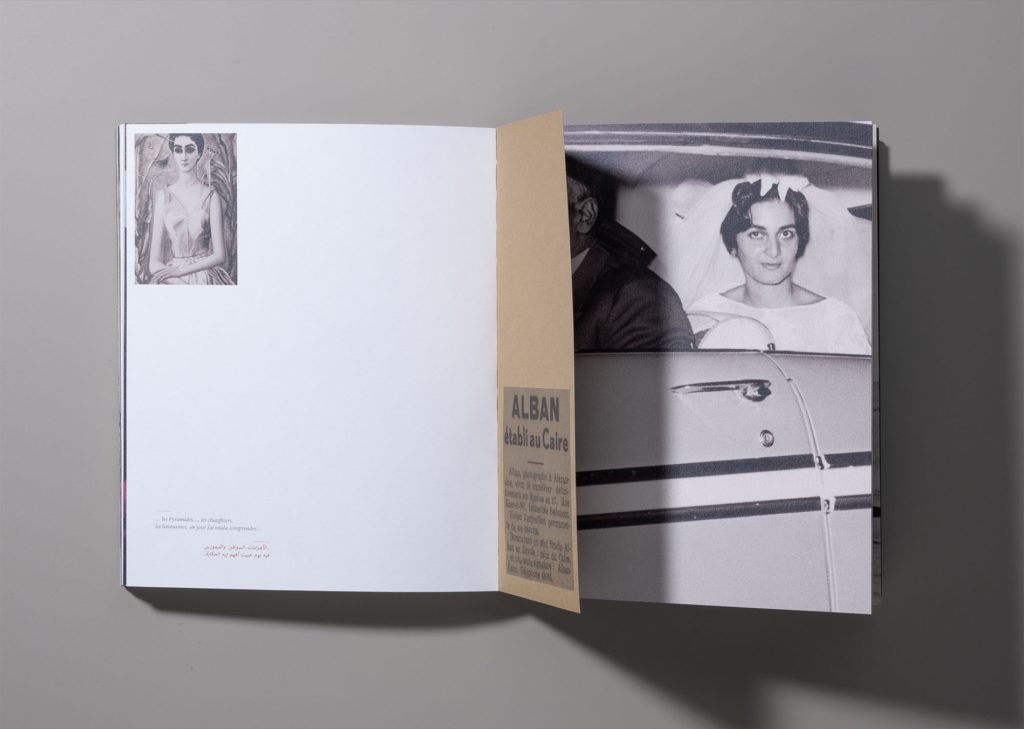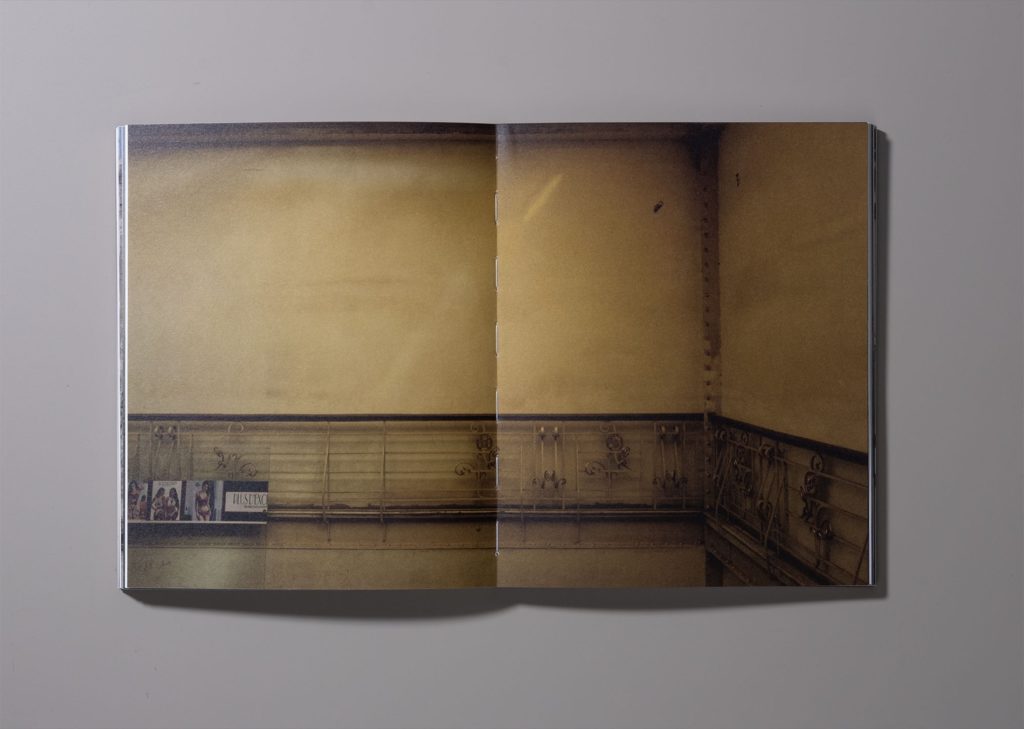
Newly added to our collection of books and items in the Chromatique store at Taittinger headquarters, the book “Une fable Égyptienne” (An Egyptian fable) by photographer Sandra Guldemann Duchatellier, published by Process Editions, reveals an intimate tale on every page, the origins of which we trace in this article.
The voice is gentle, the words measured. Sandra Guldemann Duchatellier talks about her work as if telling a story, taking the time to let memories and feelings emerge. Her research is rooted in memory, or rather in intimate memories, memories that connect her to her family history and to her mother, now aged 90 and suffering from Alzheimer’s disease. Together, they engage in a fragile conversation, made up of recollections that are sometimes hazy, often sketchy, which time may alter, but never totally erase.

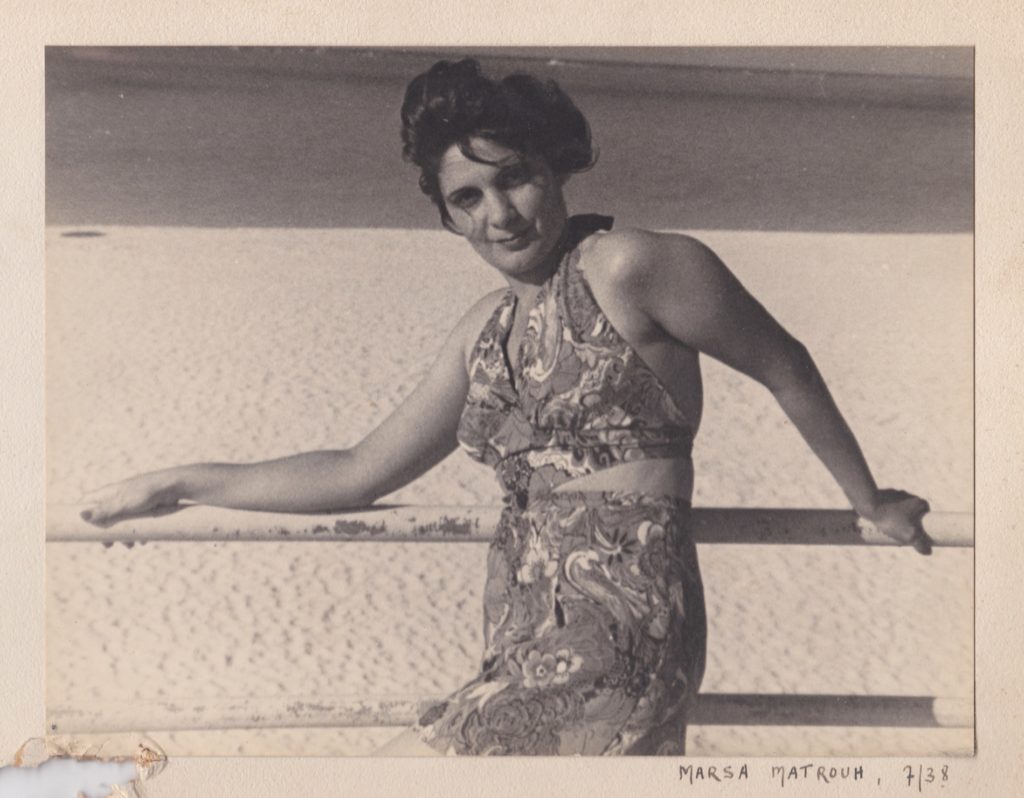
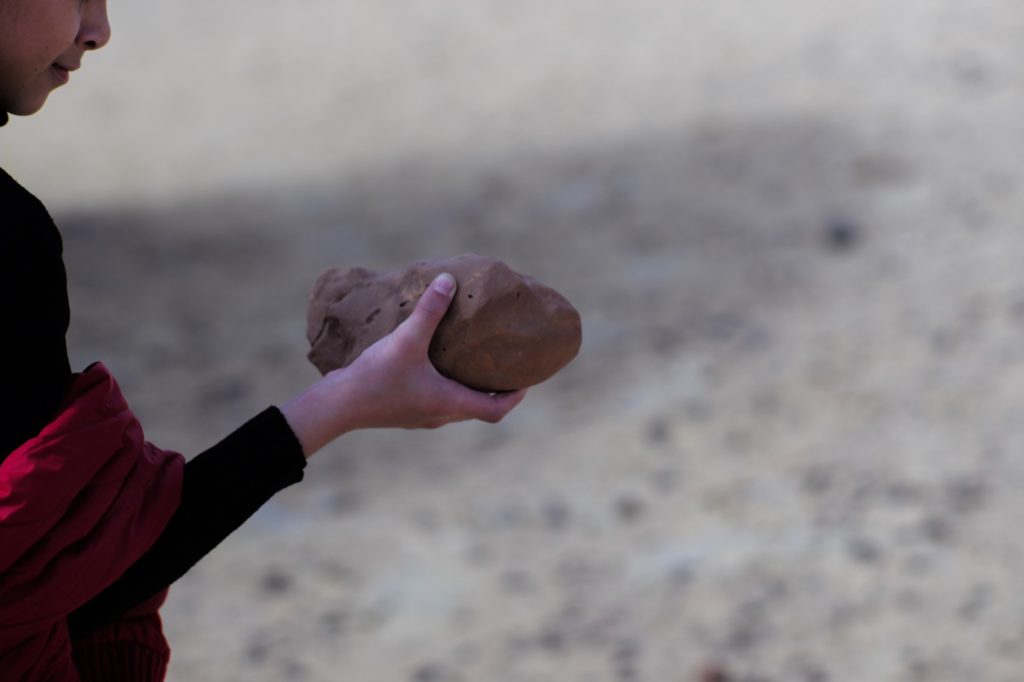
Her mother doesn’t say much about her childhood and youth in Cairo, her family having settled in Egypt in 1880. As with many people with dementia, the oldest memories are stronger than more recent ones. It’s time, then, to talk about this Egyptian past, to sustain it with snippets of memories wrenched from a failing memory, to unearth a few old photos and to imagine what the Sednaoui family was like.
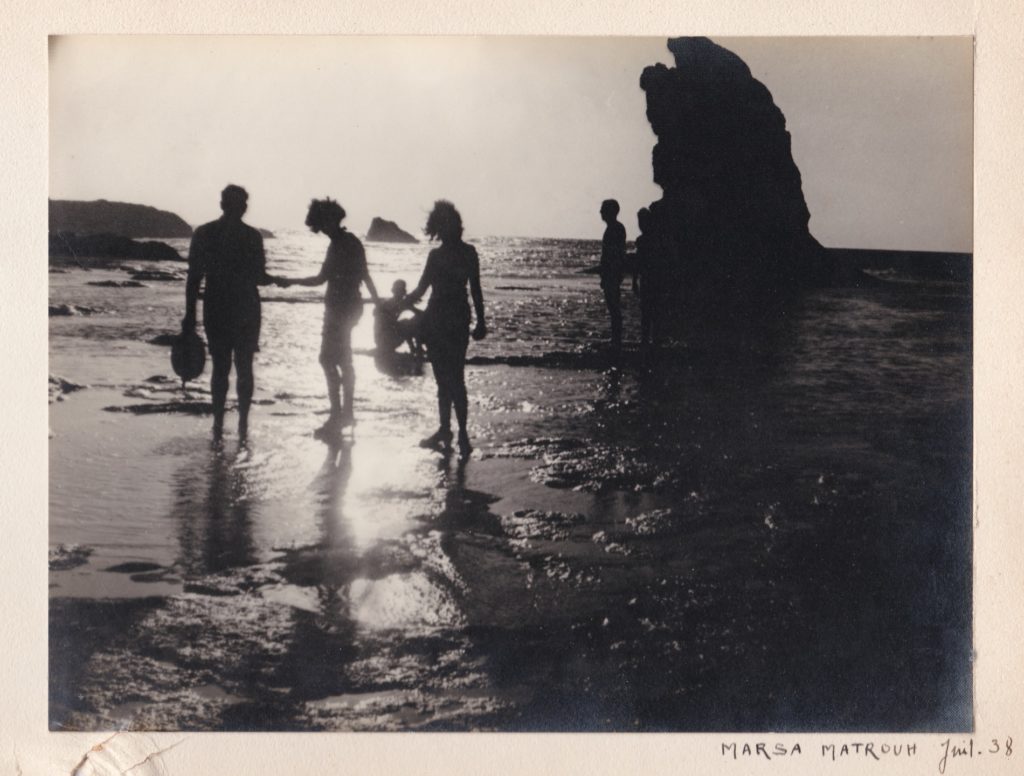
The family’s adventure in Egypt began with two brothers, one a weaver, the other a shopkeeper, who left Damascus and Syria. Originating from the Melchite Christian minority, they settled in Cairo, then a cosmopolitan city and commercial crossroads. Their textile business went from strength to strength. The opening of their department store in 1913 in Al-Khazindar Square marked the start of major commercial success, along the lines of the great Parisian stores such as Galeries Lafayette and Printemps. For almost 50 years, the expansion of Sednaoui stores throughout Egypt brought great wealth to the owners and pride to the residents of Cairo, that is, until nationalisation by President Nasser in 1961. The family business was then expropriated. The family gradually left Egypt, making their way to Lebanon or France.
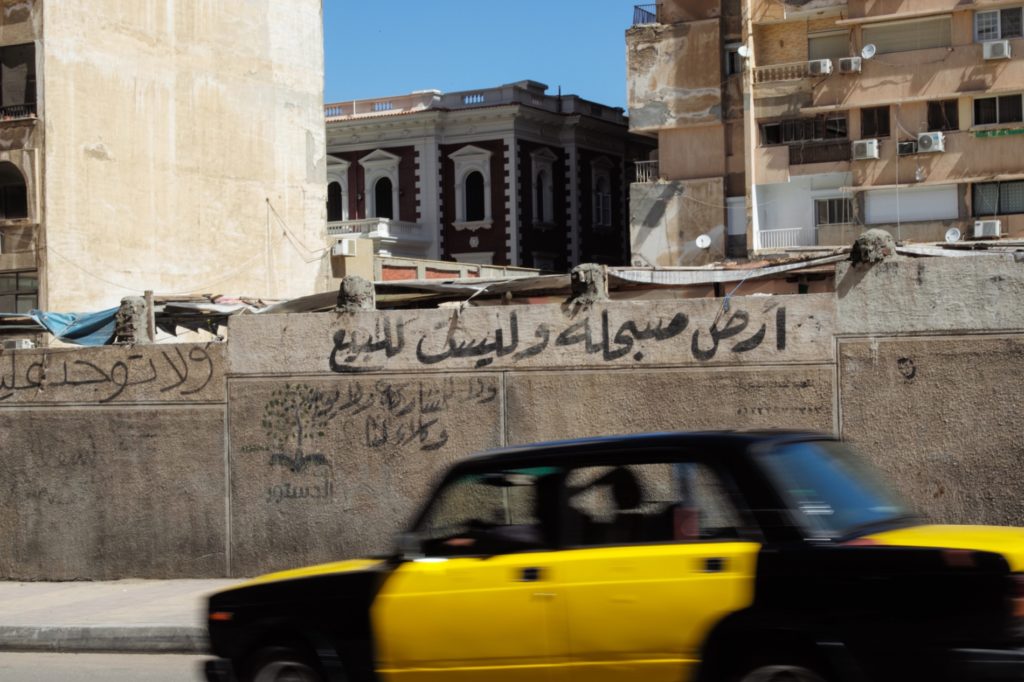
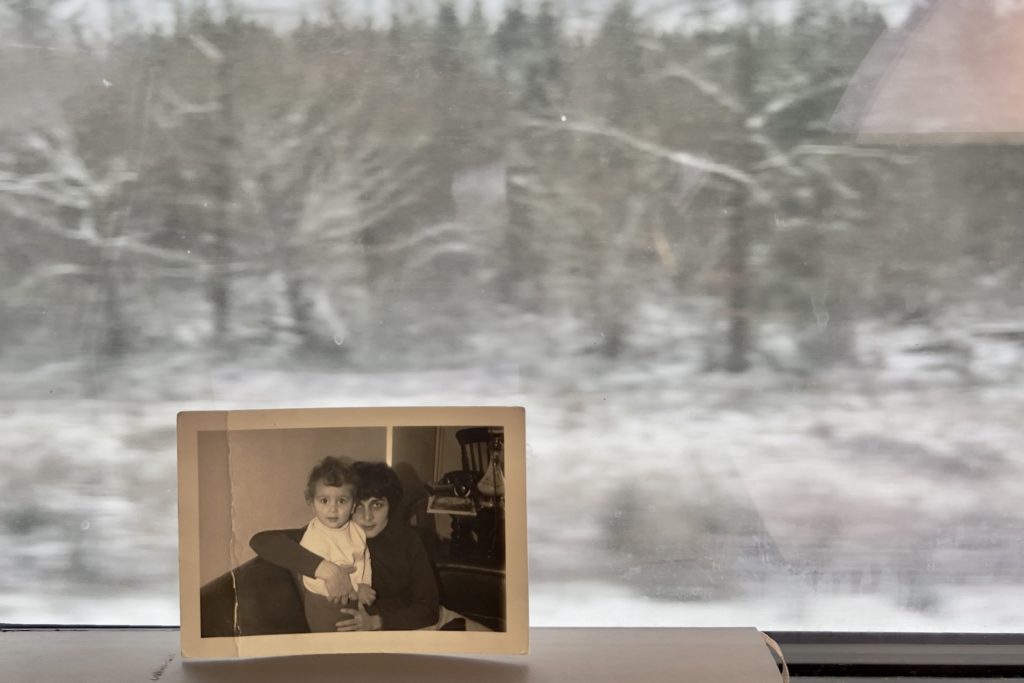
Sandra’s mother spent her childhood in Cairo of the 1940s in the bosom of a privileged environment: schooling at the Collège du Sacré-Cœur and living in a huge house in Garden City, a neighbourhood then inhabited by the economic, diplomatic and political elites. It was a sheltered childhood, sometimes confined, with little exposure to the surrounding social realities. She left Egypt in 1961 and didn’t go back for several decades, by which time, she no longer recognised the city of her memories.
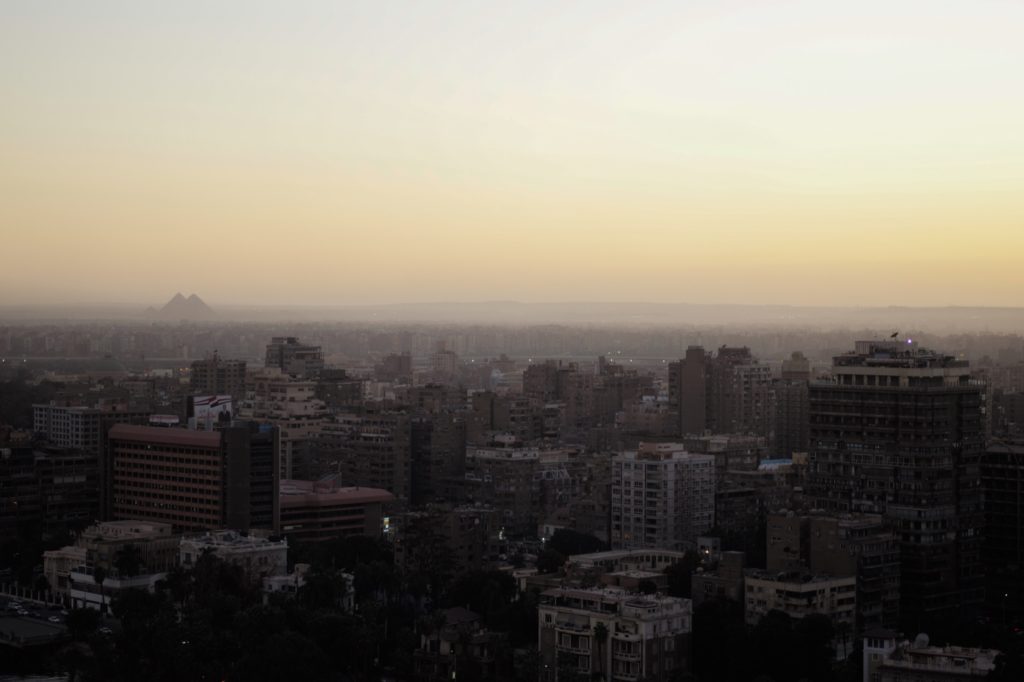
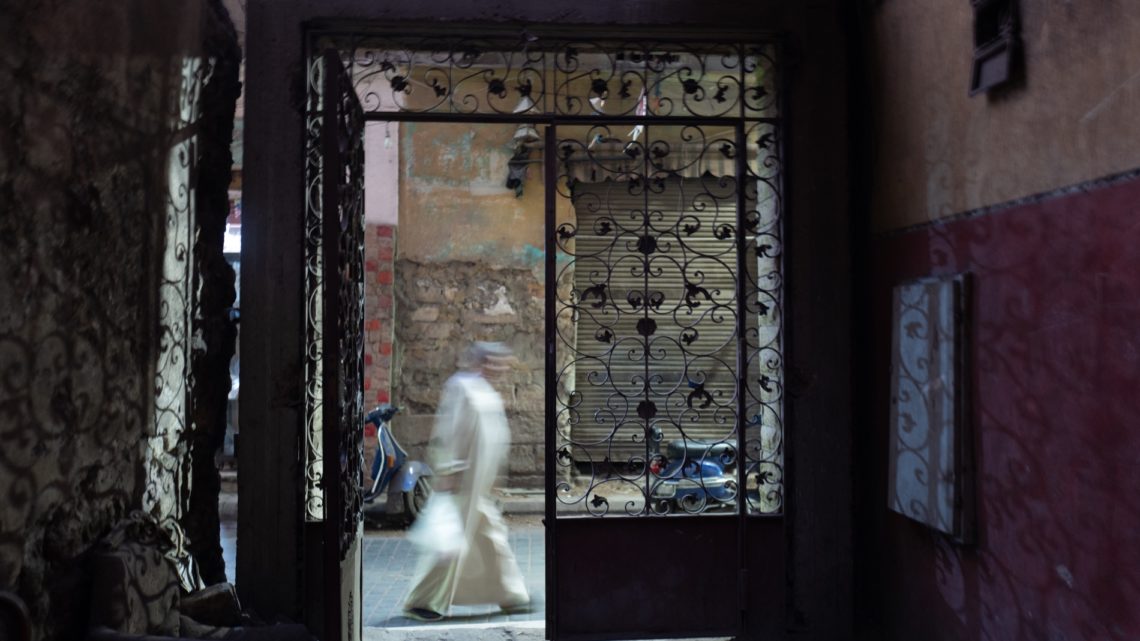
Driven by these repeated conversations, Sandra Guldemann Duchatellier decided it was time to visit Cairo herself, with her trusty camera, a Leica M240, round her neck. And she went back time and time again, attempting to document places dear to the family: their home, former stores and a hospital founded by the Sednaoui. Access was limited and often denied. Photos were taken from the outside, sometimes furtively, just like so many incomplete traces of a history that is now difficult to access. However, this constraint fuelled her artistic approach, giving her work a sense of restraint and omission.

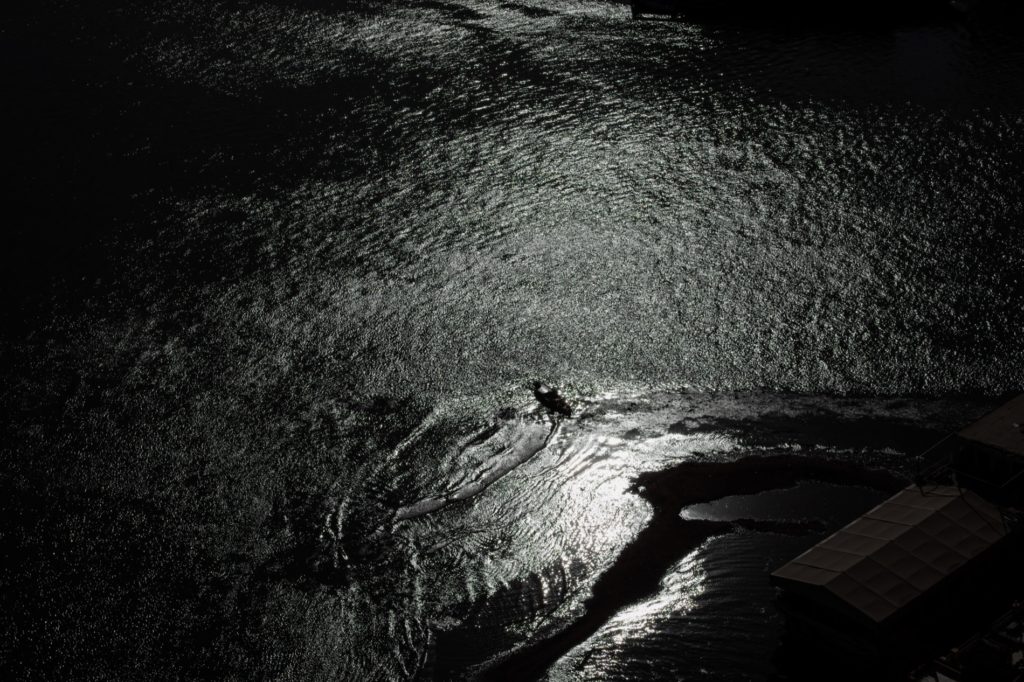
At the same time, her cousins who had settled in Lebanon gave her a photo album belonging to her grandfather, Elie Sednaoui, who had his own darkroom. The photos were remarkable for their quality, the distinctive poses, the angles and expressions, like an echo from the past, of places in silhouette. They became the subject of a visual dialogue with her own contemporary photos of Cairo. If, on the face of it, the vague intention was to follow in the footsteps of the past, the artist later realised that the basis of her approach was something more sensitive. “I think what got me going was something quite different than research into the very privileged past of this family”, Sandra Guldemann Duchatellier says. “First and foremost, it’s a dialogue with my mother which opened up out there; I didn’t understand that until later”. Connecting the fragments was like a pretext for creating a link.
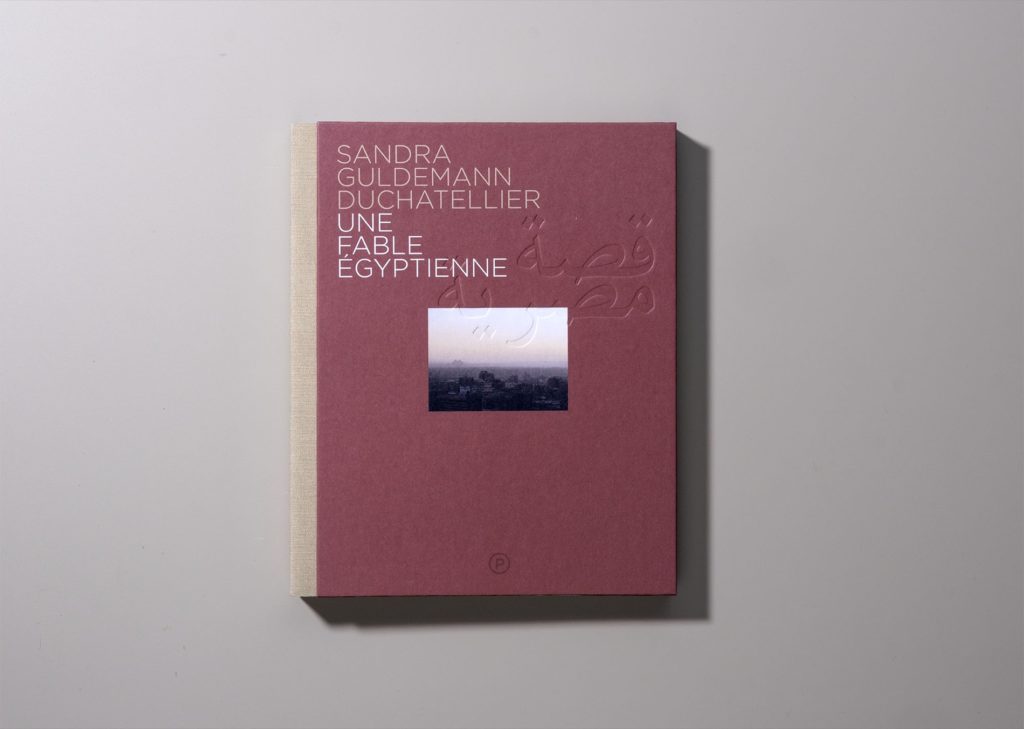
Having decided on photography quite late in life, following an international career in various other jobs, Sandra Guldemann Duchatellier uses photography as a tool for personal exploration. In Une fable Égyptienne, published by Process Editions, text and photos coexist without direct commentary. The words appear in dribs and drabs, sometimes they are absent altogether, giving the reader the freedom to move between the photos, the gaps and the resonance. Sandra Guldemann Duchatellier has made a clear choice and she sticks to it: she expresses in images what cannot be put into words, and lets photography be the platform for an intimate conversation, suspended between the past and present.