Through RegART, the Philanthropic ArsNova endowment fund offers a sensory exploration of the visual arts for young people from the Apprentis d’Auteuil foundation.
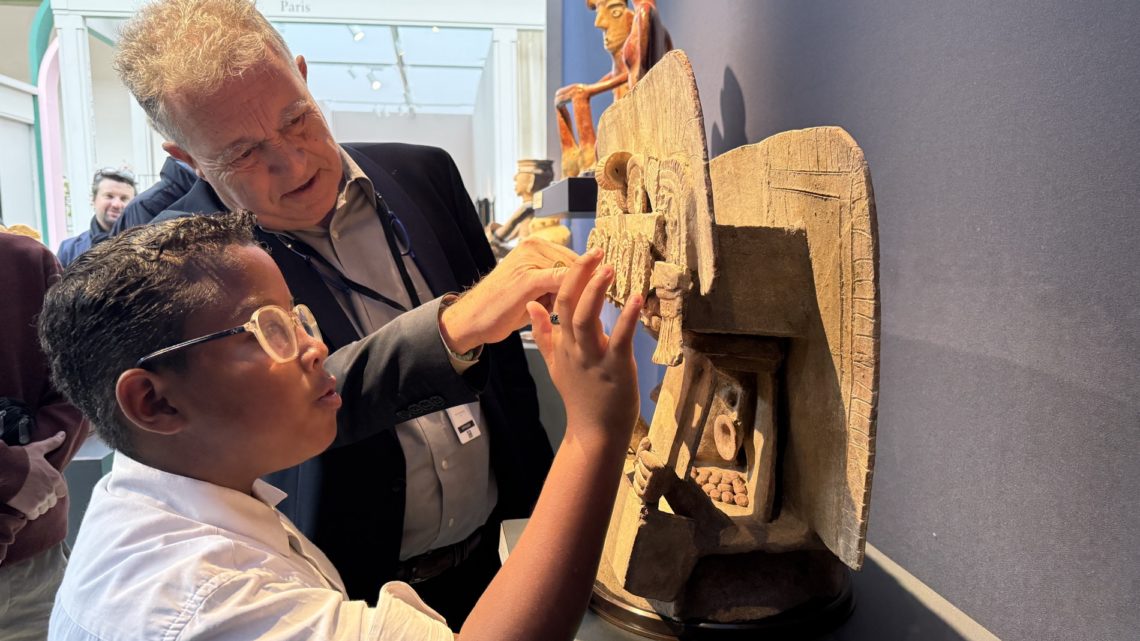
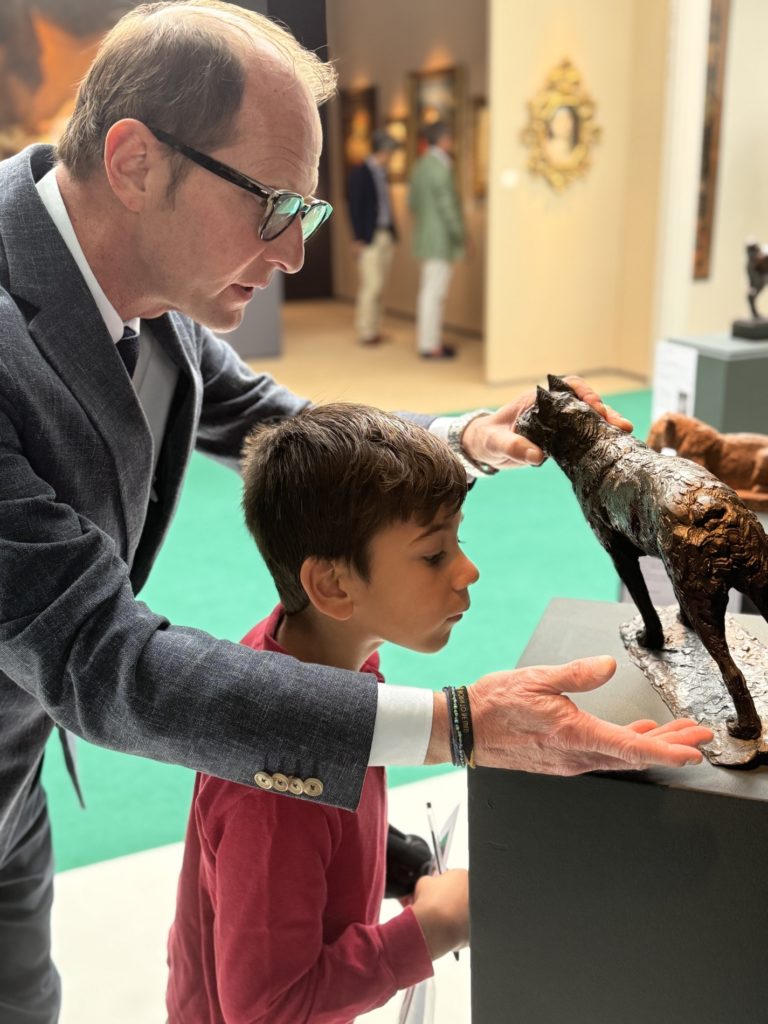
When participants talk about their memory of the experience, the emotion is still palpable. “We were with gallery owner Xavier Eeckhout, who is also president of the FAB Paris fair, one of our major partners. His gallery specialises in animal sculpture. Any time he’s interacting with children and young people, he always finds the right language; he puts himself on their level. One day, even though we had told them that they absolutely should not touch the artworks, Xavier did something completely different. He let them hold the pieces in their hands so they could feel the contours… to see if maybe they could feel the movement of the artist’s hand.” It’s a beautiful image, and for Marie Rouvillois, the director of Philanthropic ArsNova (the endowment fund set up by Taittinger Champagne), this scene embodies the underlying strength of her project. “It was a highly meaningful act of trust.” The annual programme entitled RegART is an introduction to visual arts, and offers regular events to introduce young beneficiaries to a variety of artistic trends and styles.
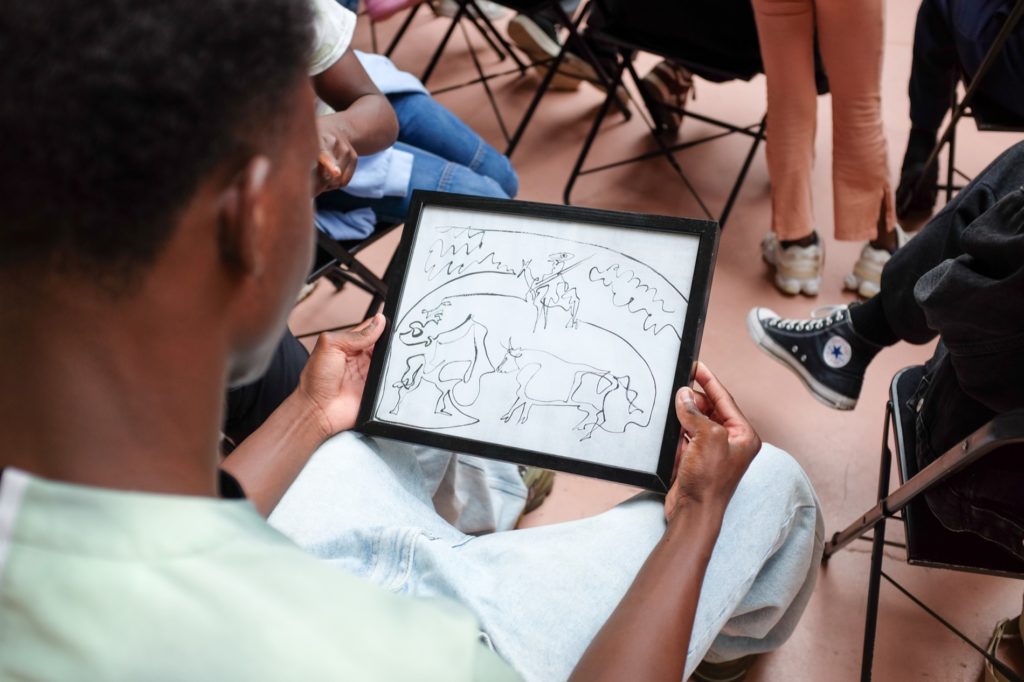
This year, Philanthropic ArsNova has partnered with Apprentis d’Auteuil, an organisation that has been supporting disadvantaged young people for the past 160 years, providing them with accommodation and assisting with their education and career integration. The Apprentis d’Auteuil foundation is a network of over 400 establishments across mainland France and the French Overseas Territories, taking in children and young people aged 6 – 18 who have been placed there through child protection services. In practical terms, those who take part in the RegART events over the course of the year gain access to guided and adapted visits to exhibitions; these visits are carefully prepared and adapted to the participants’ personal circumstances. “In particular, the activity leaders take care to ensure that the artworks presented do not trigger traumatic memories in certain participants, who even at their young age may have already encountered hardship.” This is why every aspect is considered, developed and deployed through an in-depth consultation with the supervisors. As Marie Rouvillois points out, “they are the experts in social work, not us.”
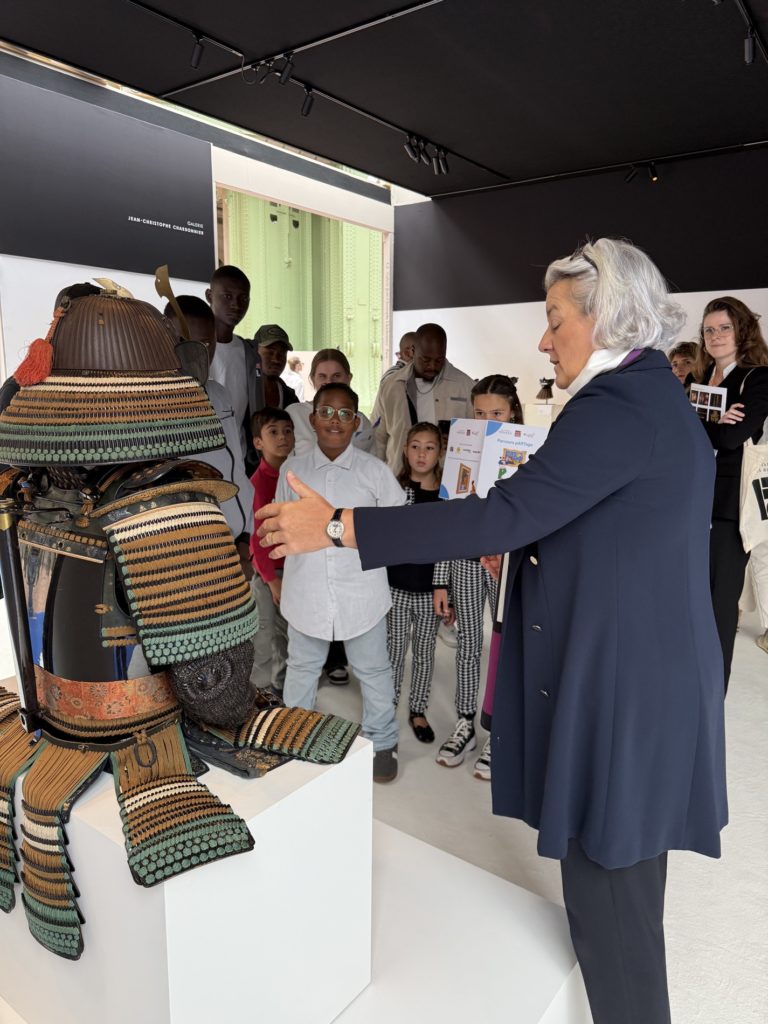
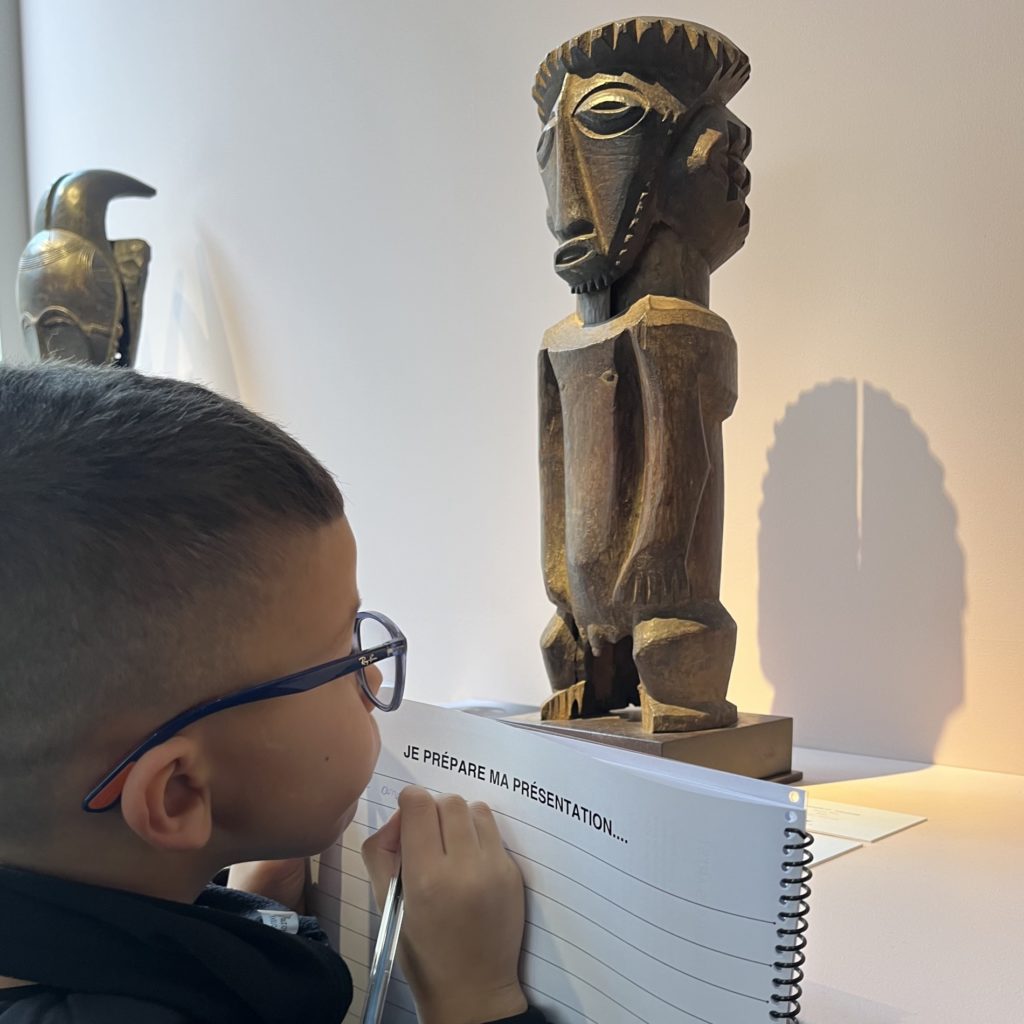
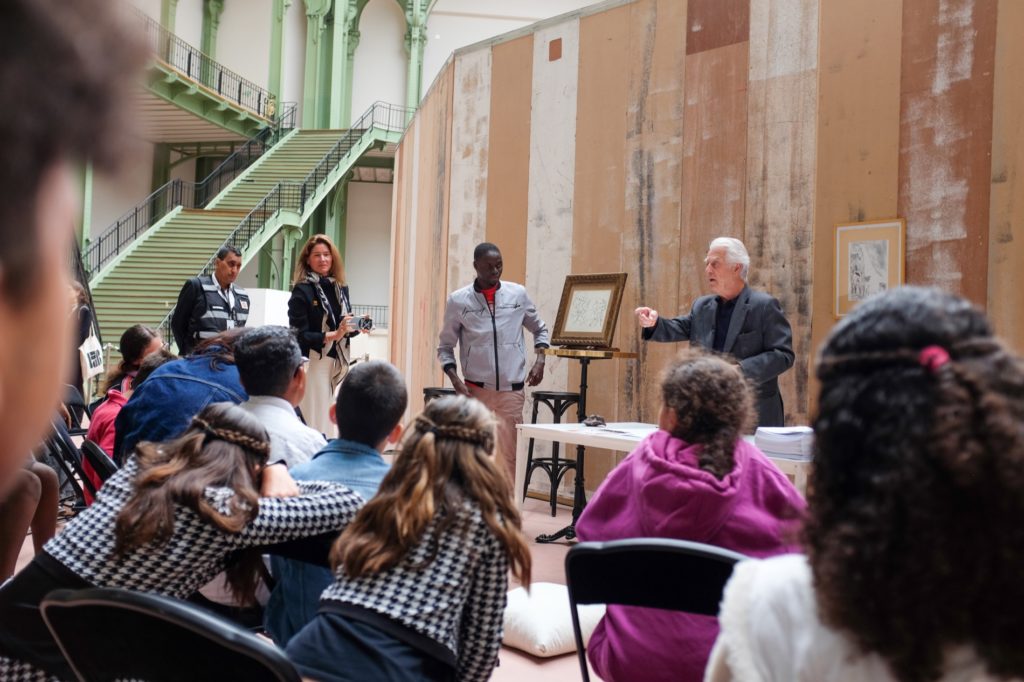
Partnerships have been set up to host events – including FAB Paris and the Salon du Dessin – either at these galleries, at the Musée des Arts Décoratifs or directly in the places where these children and young people live. Over the course of the year, they are encouraged to meet the artists, to share what they feel, and to express their emotions in words. “I remember the moments they shared with the collector Jean-Gérard Bosio. It’s incredible how much attention he pays to each person he talks to. On one occasion, there was a young girl in the group whose attention had wandered. She was thinking about something else; that’s fairly normal, especially for teenagers. Jean-Gérard Bosio noticed her straight away. He went over to her and placed a shard of meteorite from his collection in her hand, all while continuing to deliver his presentation to the group. A few moments later, he came back to her and asked her what she thought she was holding. Once she realised what it actually was, I saw the stars light up in her eyes and our collector continued his presentation, using this one object to take us on a captivating journey through space and time.”
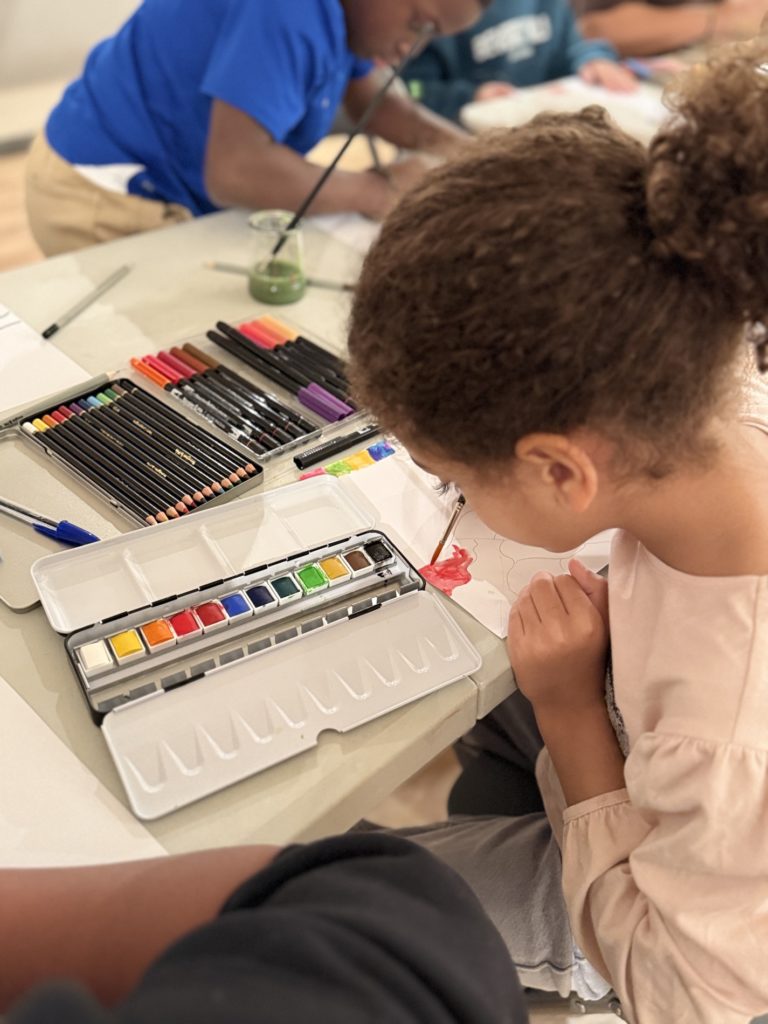
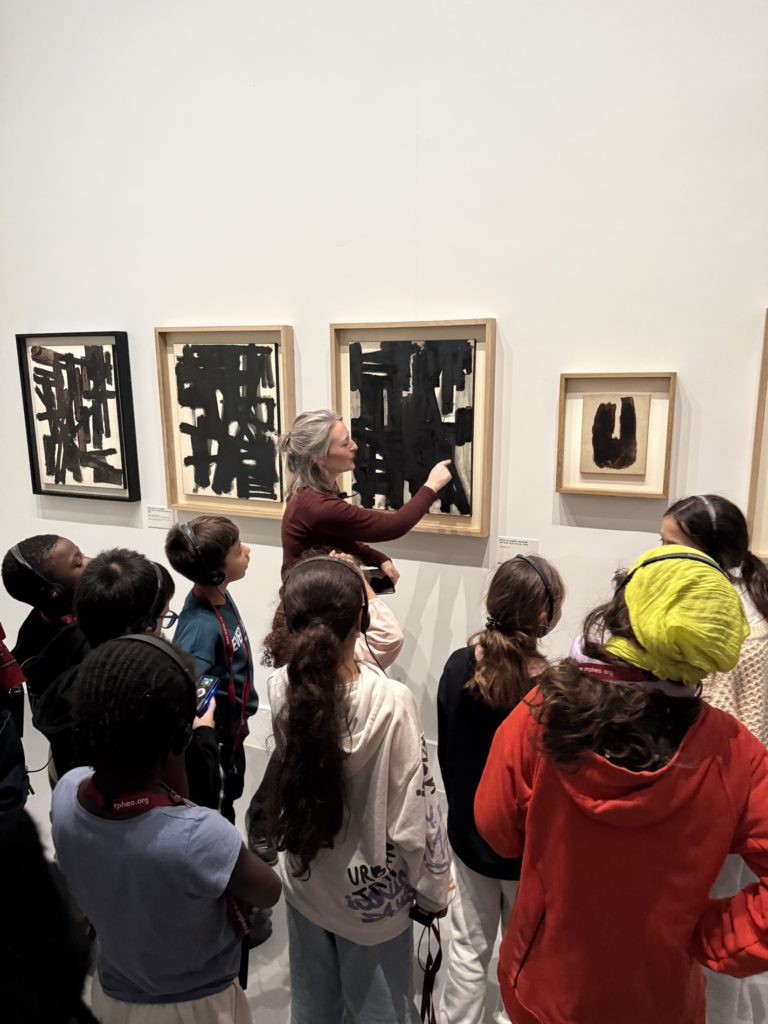
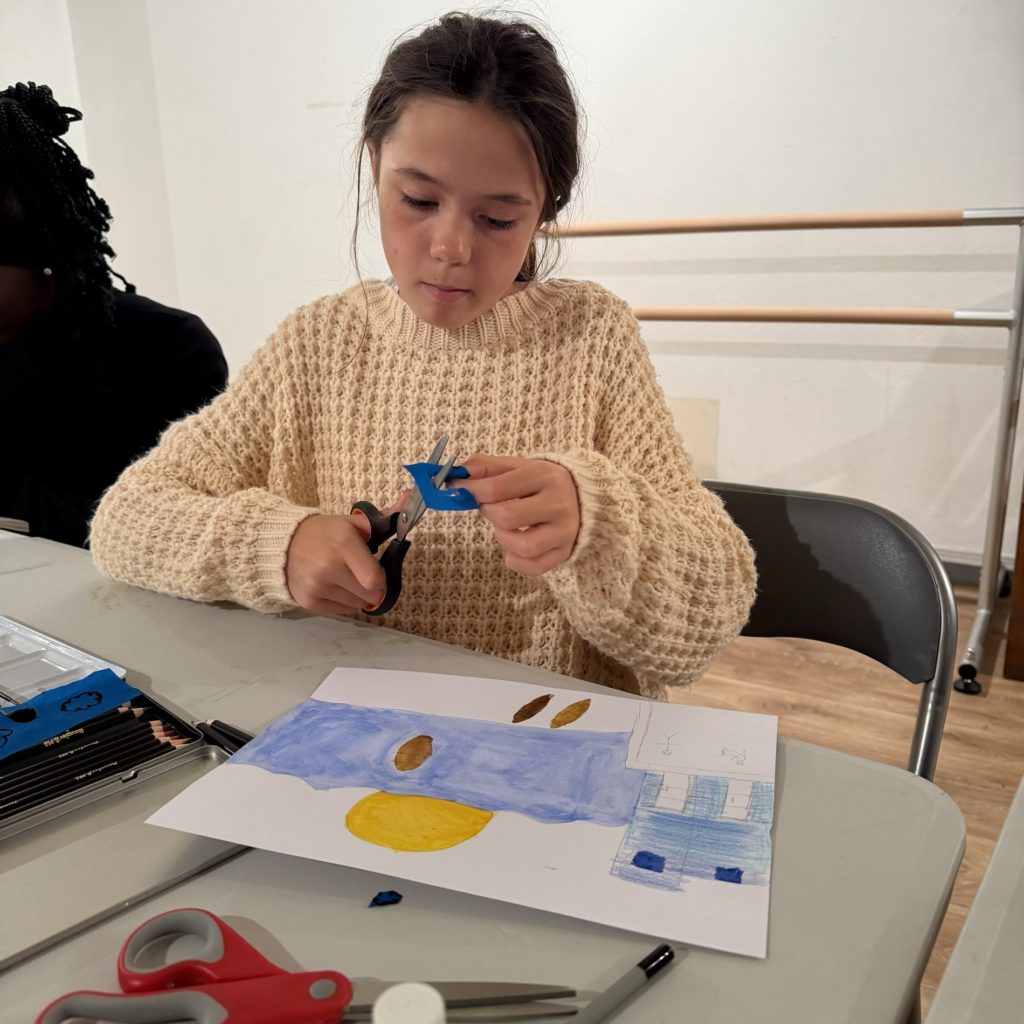
These valuable moments take place with small groups of around 20-25 children, in order to ensure they get the most out of the experience and draw inspiration from it: because afterwards, it’s over to them. “It’s really important to us that they produce artwork of their own, individually.” The participants are provided with drawing, painting and modelling materials thanks to a partnership with the Rougier&Plé brand. The Réunion des musées nationaux Grand Palais also provides children with educational packs to help them explore key social issues, such as citizenship and sport, through art. “We also try to show them that, if you pay attention, art is everywhere and that you can create it without needing anything in particular.” As such, outings to parks provide an opportunity to collect plants and learn about collage, etc.; during other creative workshops, everyone gets involved in creating their own self-portrait. This is an important stage in the programme. “This research is highly symbolic, and also very engaging. By creating a self-portrait, you learn to look at yourself, to reconnect with your emotions, to see and accept your own uniqueness and understand that this is what makes you an individual; someone who has their own place and who can contribute a great deal to society.” It’s a laudable ambition for young people who’ve had difficult paths in life. “Collector Jean-Gérard Bosio has a lovely way of describing what we try to pass on to them: In French it’s the ‘3 Bs’: le Beau, le Bien, le Bon — the Beautiful, the Good and the Right.