Charles Coulombeau has created the new Polychrome menu. It presents a balanced cuisine rich in contrasts, designed to reveal the character of each cuvee.
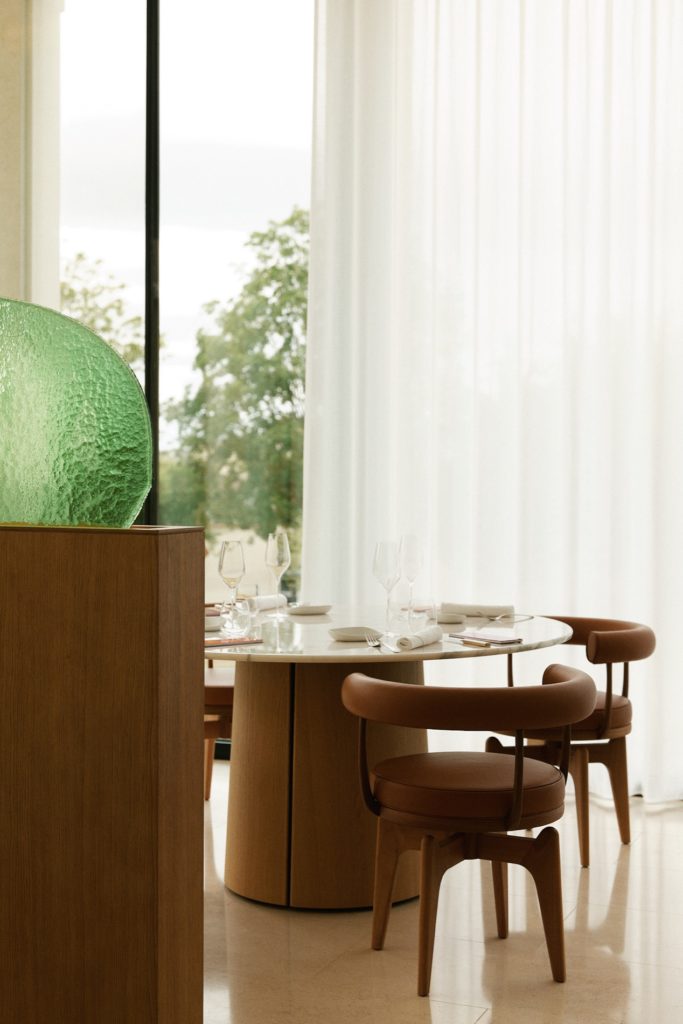
For the summer launch of its new restaurant, Polychrome, Taittinger entrusted the menu to Charles Coulombeau, with whom the House has forged close ties since winning the Taittinger Prize in 2020 (now known as the ArsNova Prize).
And now the chef has created an autumn menu in keeping with the establishment’s spirit of blending – with each dish free to write its own score based on the flavours on offer.
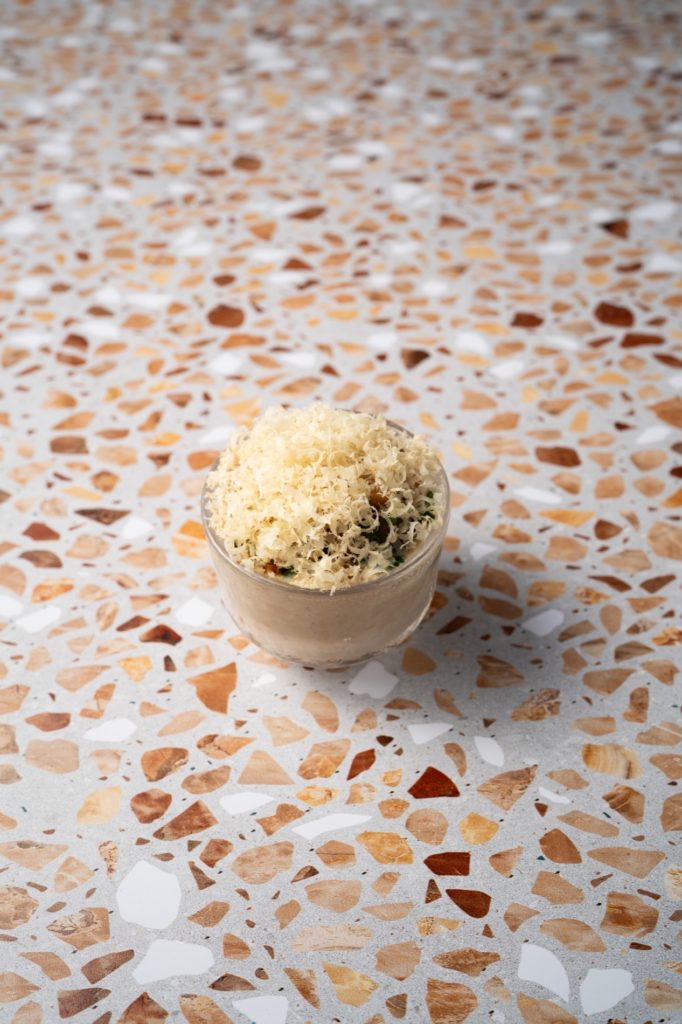
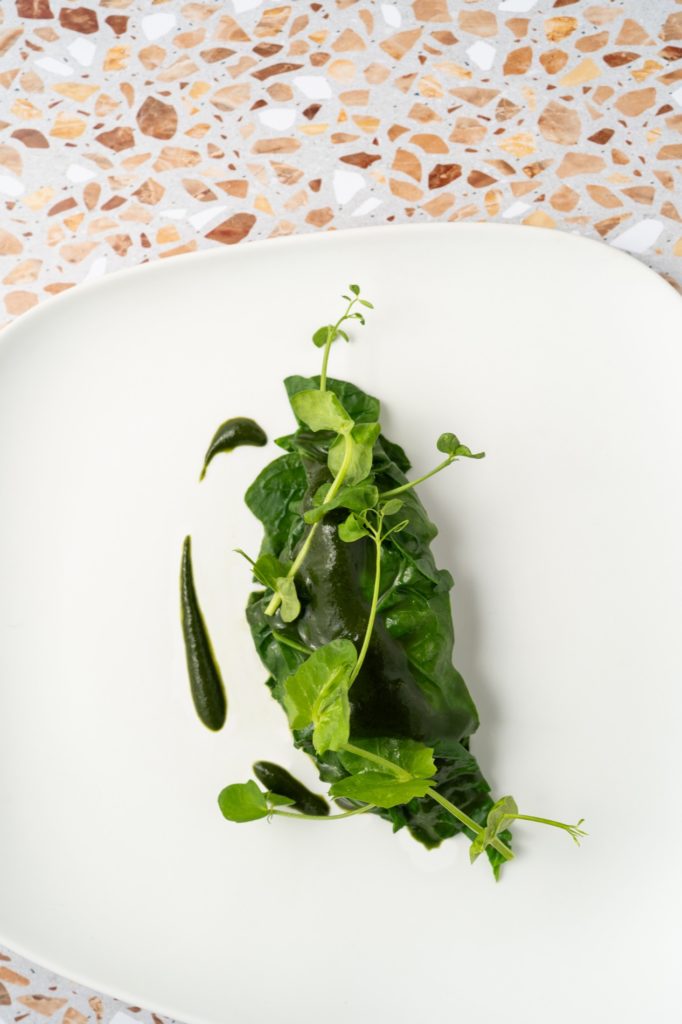
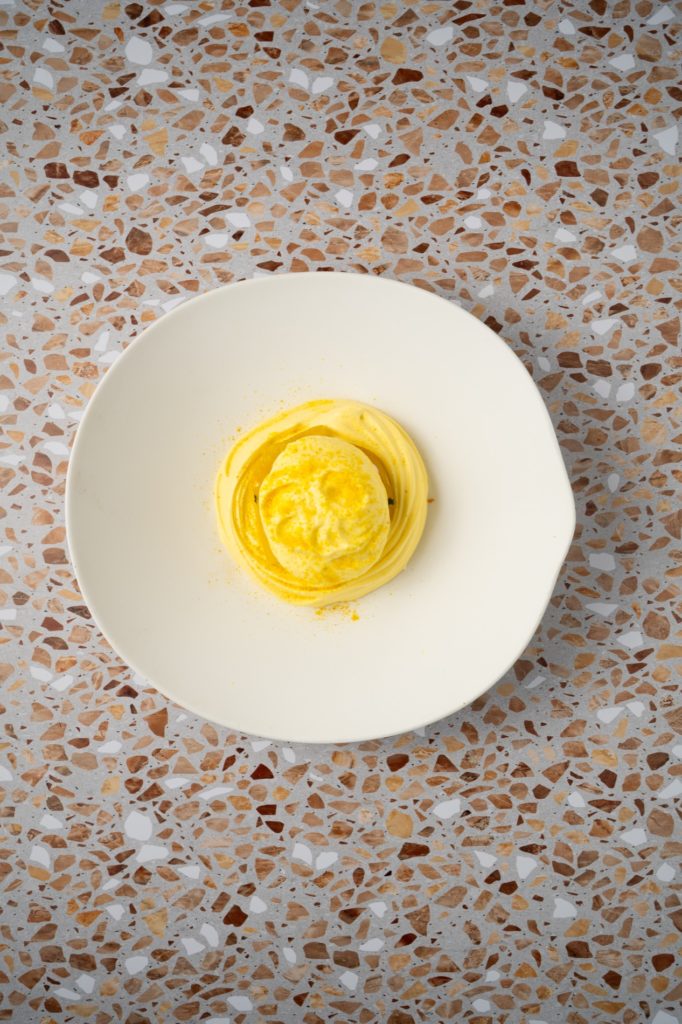
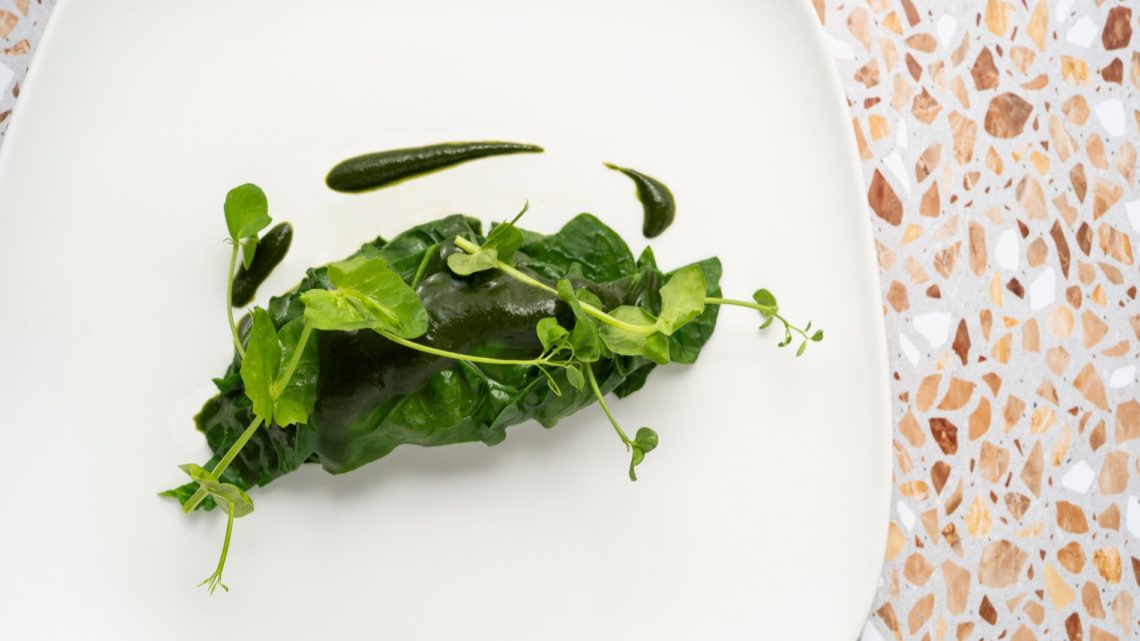
Those who appreciate timeless elegance will enjoy the fuss-free starters and mains – mushroom and caramelised nut gazpacho, foie gras with notes of fruit (apple & hibiscus), and yellow pollock, watercress and green shiso – while more adventurous diners can explore bolder pairings, including pork with squid & beetroot or tartlet with veal tartare, fresh prawns, coriander, green curry, pink peppercorn and shallots.
As for the dessert course, the aesthetic tends towards minimalist elegance, such as a twist on pineapple pavlova with the addition of herbaceous, fresh tarragon – a pairing the chef has brought back from Thailand – as well as a kiwi and lemon voile blanc with perfectly balanced acidity. For those who like richer desserts, there is also an île flottante with cardamom and coconut.
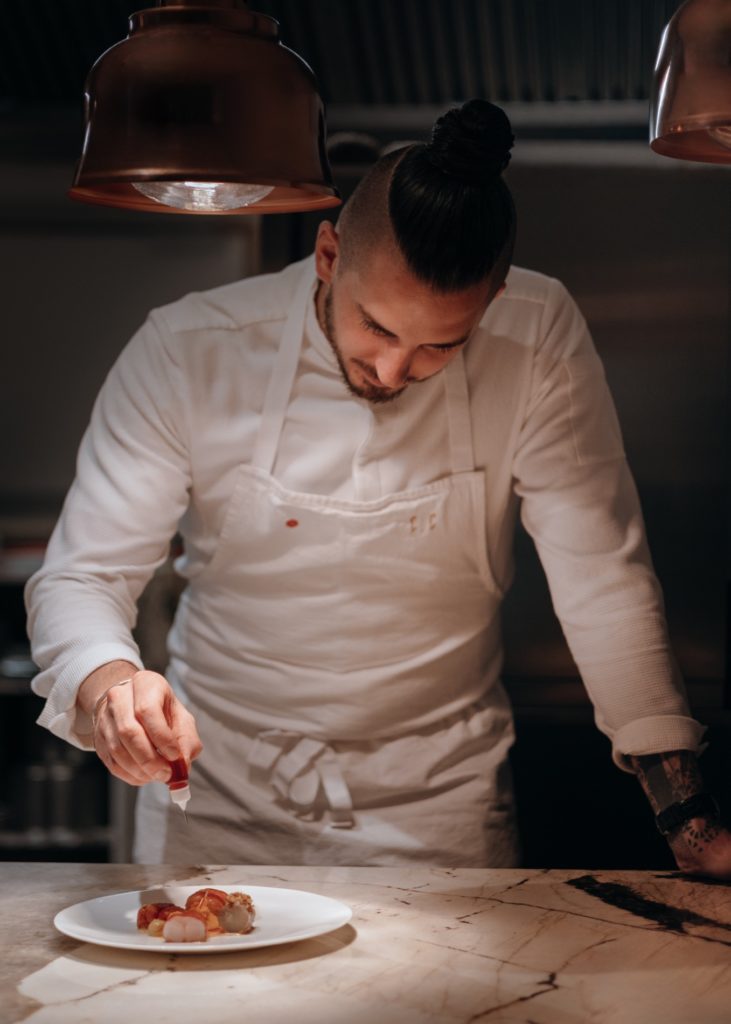
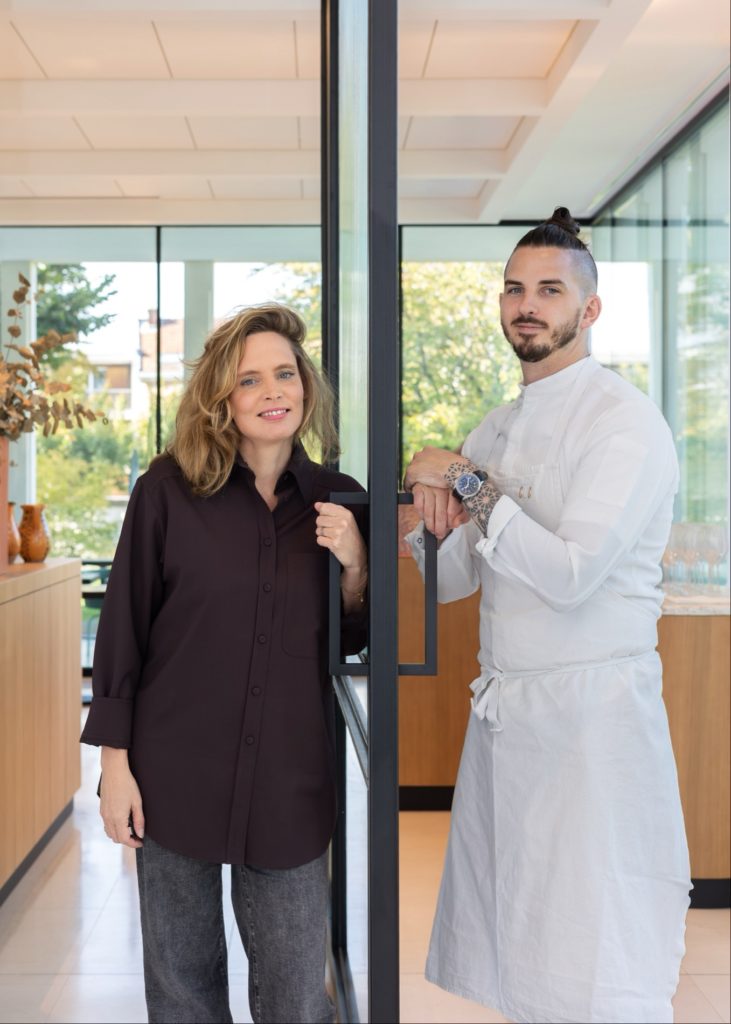
3 questions for Charles Coulombeau
The autumn menu features some quite bold dishes with lots of contrasts. Is the element of surprise a key part of your cuisine?
The element of surprise isn’t an objective in itself, but I do enjoy creating contrasts that awaken the palate and pique curiosity. When a pairing seems unlikely on paper but finds meaning in its balance or in the setting in which it is served, the dish makes a statement. It ensures the cuisine remains vibrant and prevents routine from setting in. Both at Polychrome and in my own restaurants, I want the customer to leave having experienced something truly unforgettable. Maybe they’ve discovered a new expression, a new step, a new seasoning or a new flavour.
If they’ve already forgotten about their meal the next day, I see it as a failure.
Can you tell us about a Taittinger cuvee and food pairing that particularly excites you?
I’m particularly excited about pairings with cheese, especially blue. The saltiness and aromatic power of cheese might make it seem impossible to pair, but we’ve had some lovely surprises during tastings. It matches really well with the energy of certain Taittinger champagnes. The result is sharp and vibrant. It’s an unexpected pairing that could convert a few sceptics. At the moment, we’re serving a blue cheese with a waxed rind made from sheep’s milk by an MOF, one of the best craftsmen in France. I was lucky enough to meet him during a private event at a Bordeaux vineyard and I buy his produce from my friends at Les Frères Marchand, a cheesemonger near where I live in Nancy. We tried several cuvees with this cheese, which resulted in some interesting pairings. In the end, we went with the Nocturne cuvee, which offers incredible roundness with aromas of ripe fruit, yellow peach and dried apricot.
As a chef, which dish on the Polychrome menu do you particularly like? And which one do you most enjoy eating?
As a chef, I’ve got a soft spot for the pollock, spinach and green shiso. It pretty much sums up my approach – a simple fish recipe with some herbaceous notes and a hint of minerality, retaining an almost raw-like texture. It’s a style I’m very comfortable with because I love cooking fish and focussed solely on this while at Michel Guérard’s three Michelin star restaurant, then near Brighton in England, before going on to develop other techniques in Japan. It’s also one of my favourite dishes to eat – it’s delicate, simple, indulgent and healthy, all at the same time.